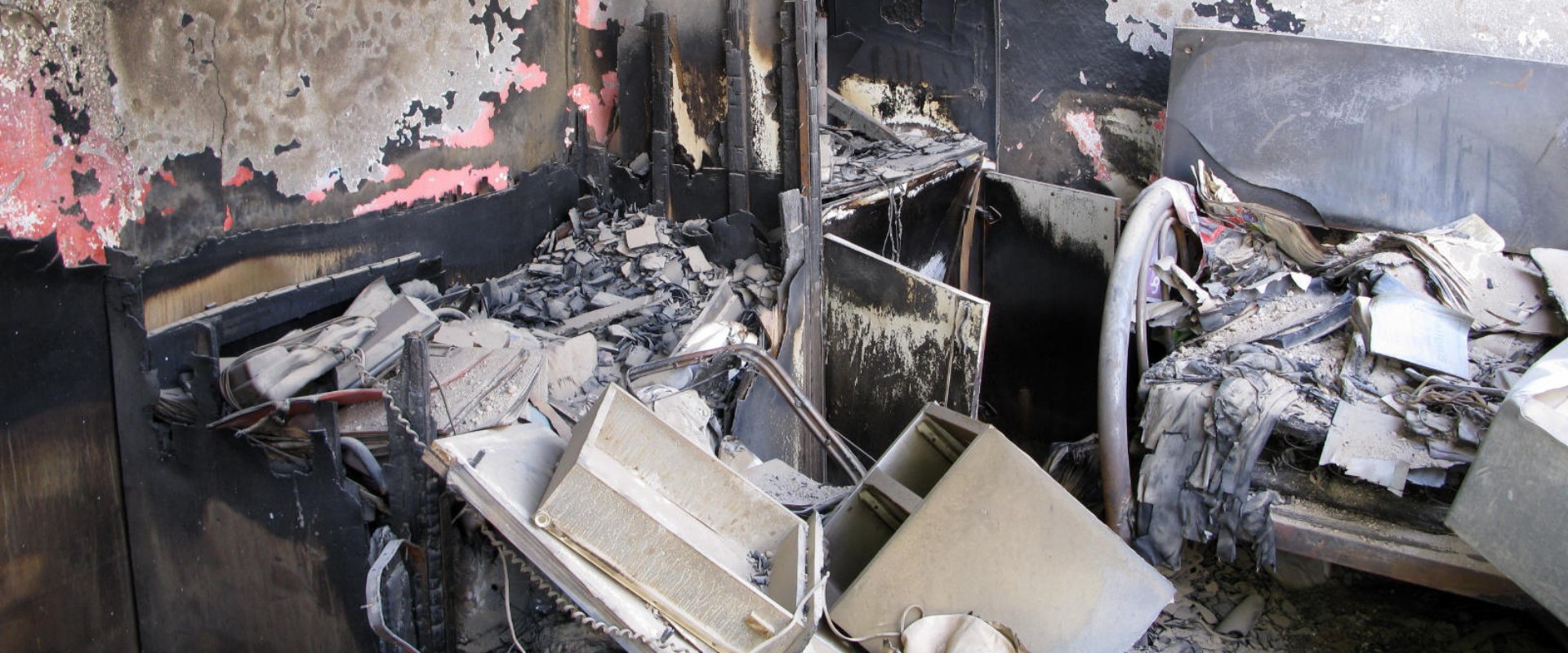
When a fire breaks out in a high-heat commercial kitchen, the visible damage often dominates attention. Burned equipment, blackened walls, and smoke-filled rooms create an urgent sense of loss that pushes owners to focus on reopening as quickly as possible. However, the true cost of fire cleanup extends far beyond what can be seen at first glance. In commercial kitchens, where grease, heat, and constant use already push systems to their limits, fire damage introduces layers of hidden expenses that surface slowly and often unexpectedly during recovery.
Grease, Smoke, and Chemical Residue
One of the most underestimated costs of fire cleanup is the removal of grease-laden smoke residue. In high-heat kitchens, airborne grease mixes with smoke and settles deep into ventilation systems, ceilings, walls, and hard-to-reach surfaces. This residue is not just cosmetic—it is flammable, corrosive, and persistent. Standard cleaning methods are ineffective, requiring specialized chemicals and labor-intensive processes. Without proper treatment, residue can continue to emit odors, contaminate food prep areas, and increase the risk of future fires. This level of cleaning is far more complex than general smoke removal and significantly raises restoration costs.
Equipment Loss Beyond Surface Damage
Commercial kitchen equipment often looks salvageable after a fire, but heat exposure can compromise internal components long before external damage is visible. Wiring insulation, electronic controls, seals, and safety sensors may fail weeks or months after reopening. Replacing or repairing equipment piecemeal leads to repeated downtime and escalating expenses. Fire cleanup frequently reveals that “working” equipment is no longer reliable or compliant with safety standards, forcing unplanned replacements that strain budgets already impacted by the incident.
Structural and Systemic Complications
Fire cleanup in commercial kitchens also uncovers structural issues that are easy to miss initially. Extreme heat can weaken ceiling supports, warp metal framing, and damage fire-rated barriers designed to contain future incidents. HVAC and exhaust systems, critical for kitchen operation, often require partial or full replacement due to smoke infiltration and heat stress. Electrical systems exposed to fire or suppression water may develop corrosion or hidden faults, increasing the risk of later failures. These systemic repairs add time and cost that go far beyond surface restoration.
Business Interruption and Compliance Costs
Lost revenue during downtime is one of the most significant hidden costs of fire cleanup. Each additional day closed compounds financial losses, especially for restaurants operating on tight margins. Cleanup delays often stem from compliance requirements—health inspections, fire code reviews, and insurance documentation—that must be satisfied before reopening. Specialized providers such as fire restoration services in Renton, WA understand these regulatory layers, but navigating them still consumes time, legal resources, and administrative effort that owners rarely anticipate at the outset.
Long-Term Reputation and Staff Impact
Fire cleanup also carries intangible costs tied to reputation and workforce stability. Prolonged closures can disrupt customer habits, making it difficult to regain regular business even after reopening. Staff may seek other employment during extended downtime, increasing turnover and training costs. Lingering odors or incomplete restoration can undermine customer confidence, even if the kitchen is technically operational. These effects quietly erode profitability long after cleanup appears complete.
Insurance Gaps and Out-of-Pocket Expenses
While insurance covers many fire-related losses, it rarely accounts for everything. Policy limits, exclusions, and depreciation often leave owners responsible for significant out-of-pocket expenses. Temporary equipment rentals, upgraded code requirements, and extended cleanup timelines may not be fully reimbursed. The gap between expected coverage and actual recovery costs is a common and costly surprise.
Understanding the Full Scope of Fire Cleanup
The hidden costs of fire cleanup in high-heat commercial kitchens lie in complexity, not just destruction. From grease-contaminated systems to delayed equipment failures and prolonged business interruption, recovery is rarely straightforward. Recognizing these hidden layers allows owners to plan more realistically, choose specialized restoration support, and protect their operations from compounding losses long after the flames are gone.